When the Music Gets Under Your Skin
I think my introduction to tattoos, piercings and other forms of body modification came through the kind of music I was listening to throughout my late childhood and teenage years. Growing up, I was always the weird kid. My preferences were usually different from everyone else’s. Sometimes that sparked curiosity, but almost always, it mostly pissed people off.
I think this is why, when my friends found out that I would choose bands like Linkin Park and Green Day over One Direction and Taylor Swift (nothing against them, though) anyday, I became a subject of ridicule for many, many years. Why on earth would anyone prefer a man in his 30s screaming into their ears, right?
Heavy, angsty music has always attracted me more than radio pop, and a part of who I am today can probably be traced back to that. It has influenced everything from the way I dress and my ideologies, to my outlook on life and the things I choose to believe in.
And I guess, if you love that kind of music, you are kind of indoctrinated into the subculture as well. Hence, came my love for body art and modification. Tattoos, piercings, scarification, you name it. But out of all of them, tattoos have always fascinated me the most.
From punk rock to heavy metal, tattoos have mirrored the identities, frustrations and aesthetics of different music subcultures. So, let’s take a little trip through the history of ink, rebellion and ridiculously loud guitar riffs.
The Punk Agenda
To understand the relationship between tattoos and alternative music, punk is a pretty good place to start.
The punk movement of the 1970s and 80s was erected around the idea of rejecting the mainstream. Young people were frustrated with political systems, economic conditions, social expectations and pretty much anything that told them how they were supposed to behave. Bands like The Ramones, The Sex Pistols and The Clash took that frustration and turned it into loud and unabashedly angry songs.
Eventually, that spirit of rebellion spilled over into everything else.

Punk aesthetics were loud, DIY and deliberately confrontational. Leather jackets, ripped clothing, safety pins, crazy dyed hair and provocative graphics became part and parcel of the visual language. And obviously tattoos fit into this culture because they were another way of saying “Fuck you, I won’t do what you tell me.”
During the later 1980s New York hardcore scene, tattoos became even more prominent within this culture. On the top of my head, bands like Cro-Mags and Agnostic Front were part of a scene where music, fashion, art and personal identity amalgamated frequently.
And look at the kind of imagery associated with punk tattoos. They were dark, edgy and gave off the “I don’t give a fuck” aura very well. Skulls, anarchy symbols, spider webs, slogans, band logos and portraits of idols became popular choices. You could practically look at someone’s tattoo and get a rough idea of which corner of the underground scene they belonged to.
Like, what is more punk than walking around with a skull and anarchy symbol on your body and speaking out against the government because society expects you to behave?
Heavy Metal Took It to the Next Level
Likewise, heavy metal music and subculture has also mostly had a complicated relationship with the mainstream. It often explores subjects that mainstream culture prefers to keep tucked away. Death, violence, mythology, religion, horror, war, despair and the more uncomfortable corners of human existence have found safe exploration in the music.
Of course, tattoo culture too naturally found a home here.

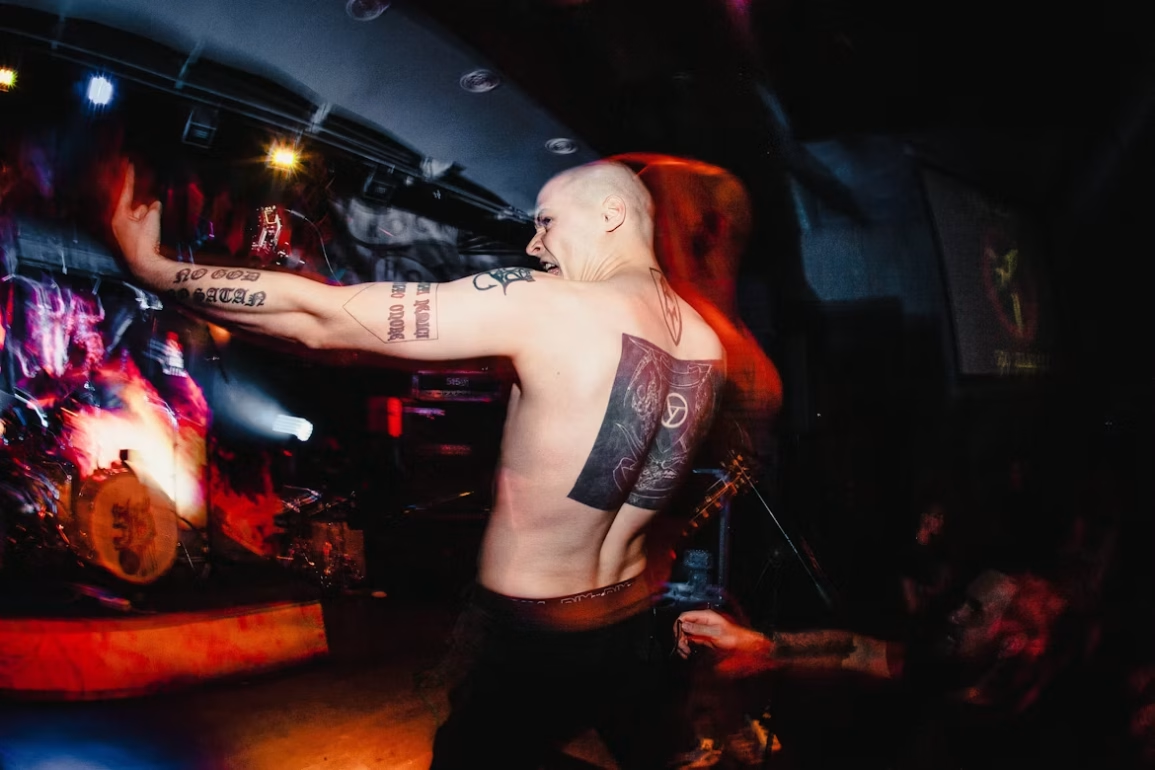
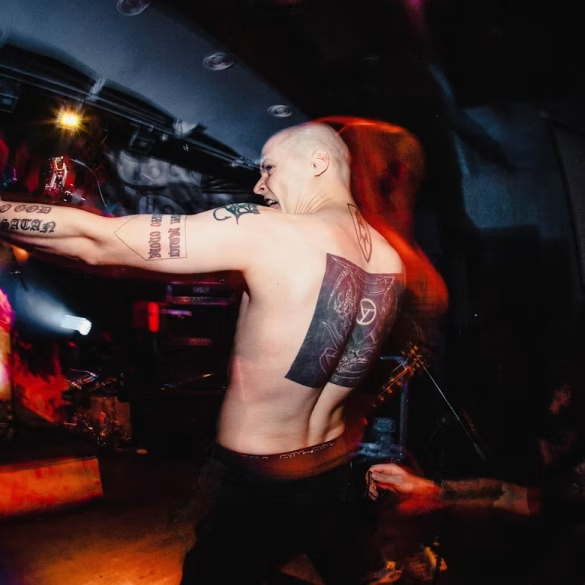
Walk into any metal gig and half of the people present there will have arms that look like permanent album covers. Large-scale sleeve tattoos, dark imagery, intricate artwork and band logos are common sights within the scene.
But of course, not every metalhead is covered in tattoos, and not every tattooed person owns a single Black Sabbath record. But the two cultures share a common quality – they love to stand out in the crowd and be different.
Both offer people a way to step outside the expectations of the mainstream and create an identity that feels more personal.
Tattoos Became Part of the Uniform
Alternative music has always been about community and shared values. Finding people who listen to the same weird bands, understand the same references and will happily spend three hours queuing up in a sweaty venue to watch someone destroy a guitar has a strange sense of solidarity.
The same thing happened with musicians themselves. Tattoos became a core part of their identities, particularly as alternative music became increasingly visible in mainstream culture. Their clothes, hairstyles and the art they choose to show on their bodies became extensions of the music they created.
And then there are legendary tattoo artists who have become almost as recognisable within the rock and metal world as the musicians they tattoo. The best example of this is Paul Booth. His dark, surreal tattoo work has become closely associated with heavy music, and over the years he has tattooed musicians including Slayer’s Kerry King, Slipknot’s Corey Taylor, Pantera’s Philip Anselmo, Sepultura’s Cavalera brothers and Cradle of Filth’s Dani Filth.

When Musicians Became Tattoo Artists
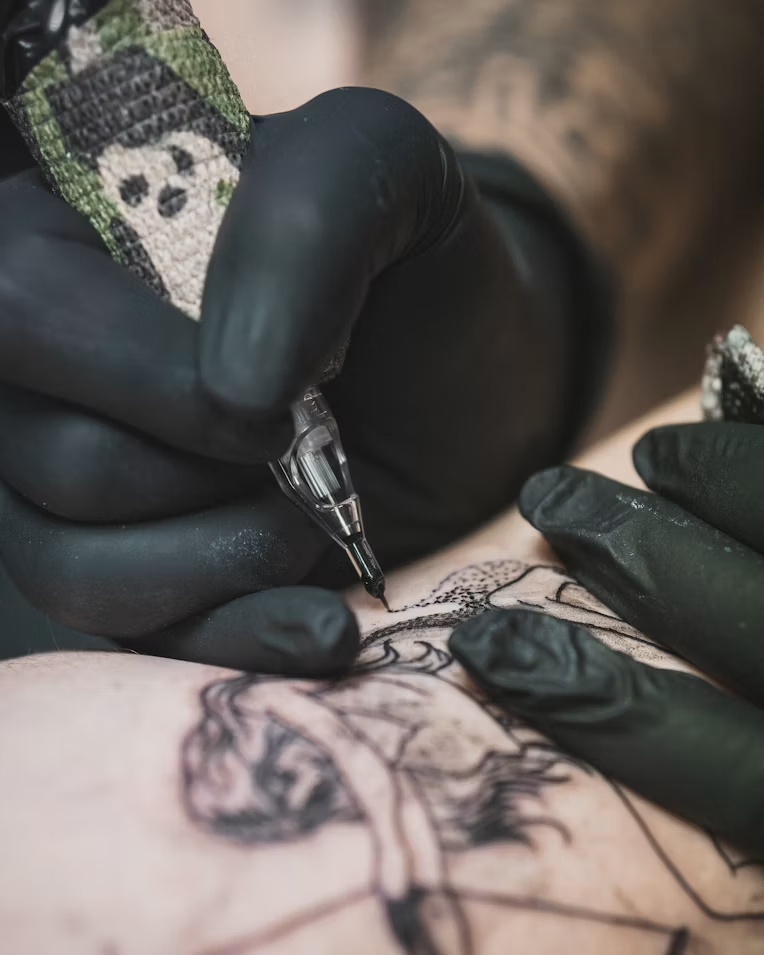
The connection between alternative music and tattooing has also gone in the opposite direction. There are multiple musicians in the scene who have picked up tattoo machines themselves.
Frank Carter of Frank Carter & The Rattlesnakes, Jordan Pundik of New Found Glory, Chris Bishop of Crobot and Patrick Sheridan of Fit For An Autopsy are among musicians who have been involved in tattooing.
But these days tattoos are no longer confined within punk basements, metal festivals or the coolest person at school who somehow had a Motorhead shirt before everyone else.
They are everywhere now.
Pop stars have them. Actors have them. Your therapist has one. Your therapist’s therapist probably has one too.
Yet within alternative music and subcultures, tattoos still carry a particular emotional weight. They can represent rebellion, belonging, memory, identity or simply a lifelong obsession with a particular band.
Just like your favourite band has become a part of your life, you get a tattoo and, well, now it is literally on you, forever.
And for people like me who grew up feeling slightly out of place, that combination can be well…..electric (no pun intended). The music tells you that it is okay to be different. The tattoo makes sure you remember it forever.
Read More > From Underground to Mainstream: The Evolution of Alternative and Indie Heavy Music

neurotic but nice 🙂